
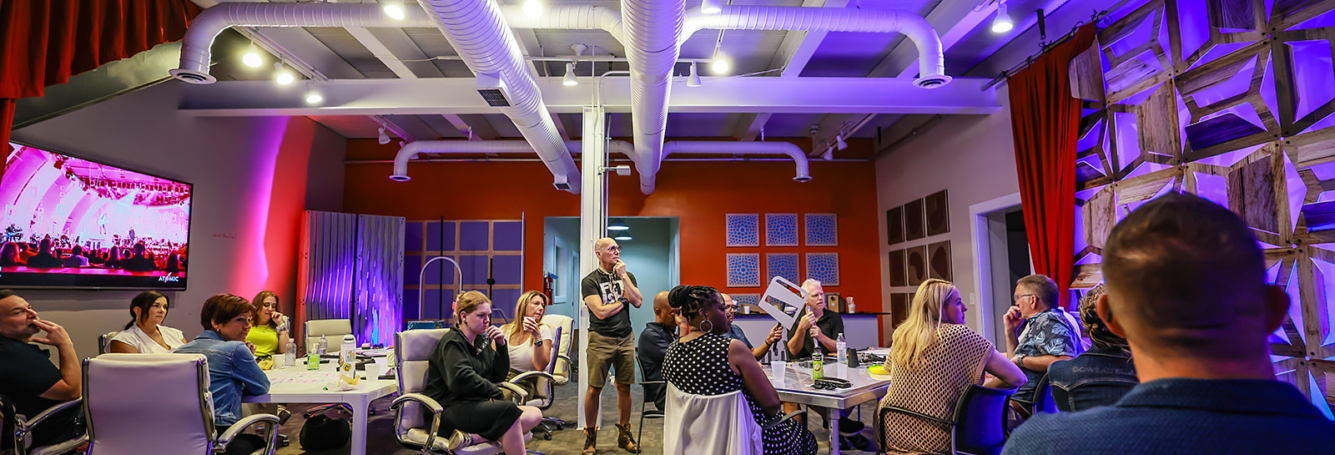
FROM A MODULAR MINDSET TO LIVE EVENTS
TL;DR:
This is a story about furniture, servers, scenic panels, and one big idea: modularity isn’t just a product feature. It’s a mindset, and it might be the smartest strategy in your creative toolkit.
How a Modular Mindset Took Root Early
Let me just say this up front: I didn’t choose the modular life. The modular life chose me.
It started innocently enough, when I was a teenager in need of gas money. Armed with a jigsaw, a stack of wood, and a mild obsession with furniture that could fold, flip, or transform.
Back then, I wasn’t thinking in buzzwords like “efficiency” or “reusability.” I was just broke and stubborn and refused to pump gas or work at the mall. If I couldn’t afford something cool, I’d figure out how to build it. Better, cheaper, and with an early lean toward modular.
Flash forward a decade or two (okay, fine, four), and I realize I’ve been chasing the same thing my entire life:
- The lowest common denominator
- The reusable unit
- The plug-and-play solution
- The clever little bit that solves a big honkin’ problem
IKEA and I are basically the same species.
From Software to Scenic: The Road to ATOMIC
My first career? IT.
Twenty-seven years of designing business software, building spreadsheets, configuring servers, managing switches, and writing software in modules so they could snap together, recompile fast, and scale.
Sound familiar, event people?
Back then, we called it object-oriented programming. But really, it was just the IT version of a modular mindset.
Each line of code had a job. Each block played well with others. If something broke, I didn’t panic. I just swapped out the buggy bit and kept moving.
It was elegant, if not glamorous. And it baked something into my DNA that I carry to this day: the belief that the best systems are the ones that don’t fall apart when something changes.
Then came ATOMIC.
Fifteen years ago, I swapped server rooms for scenic shops, software for shows, and the modular brain came along for the ride.
I was hired to help imagine the next frontier of scenic design, a modular system that installs faster, travels cheaper, requires no tools, and still wows the pants off a client.
We weren’t just building walls. We were building a language. A system. A philosophy.
And for me, the jigsaw-, furniture-, data analyst-, software developer-guy, it’s been pure joy.
Modular Scenic Design Was Born From Pain (Not Buzzwords)
What is modularity, really?
It’s the joy of just enough.
- Just enough wall
- Just enough tech
- Just enough labor to get the job done without filling a 53’ trailer with too much complexity
It’s the magic of clicking pieces together, without screws, stress, or a sacrificial goat.
Our modular scenic line wasn’t born from a place of rock and roll meets corporate strategy. It was born from pain.
Labor pain. Load-in pain. “Why the heck won’t this fit through the door” pain.
And so, we stripped it all down. We asked dumb questions like:
- What if it could ship flat
- What if it could set up with zero tools
- What if a production assistant could set it up and look like a rockstar doing it
And then we built it.
One panel became two. Two became four. Four became a catalog, a rental system, a network of scenic playgrounds used around the world.
What we built wasn’t just scenery. It was possibility.
The Pivot: Modularity Is a Business Strategy
Here’s the big plot twist. The true lowest common denominator.
Modularity isn’t just for furniture or scenic walls. It’s not limited to code or cabinetry or clever event installs.
Modularity is a mindset. A worldview. A secret weapon in today’s business climate.
Because somewhere along the way, I had my “aha” moment.
Our industry demands a make it better today than it was yesterday, but not as good as it needs to be tomorrow mindset. No one company can do it all anymore.
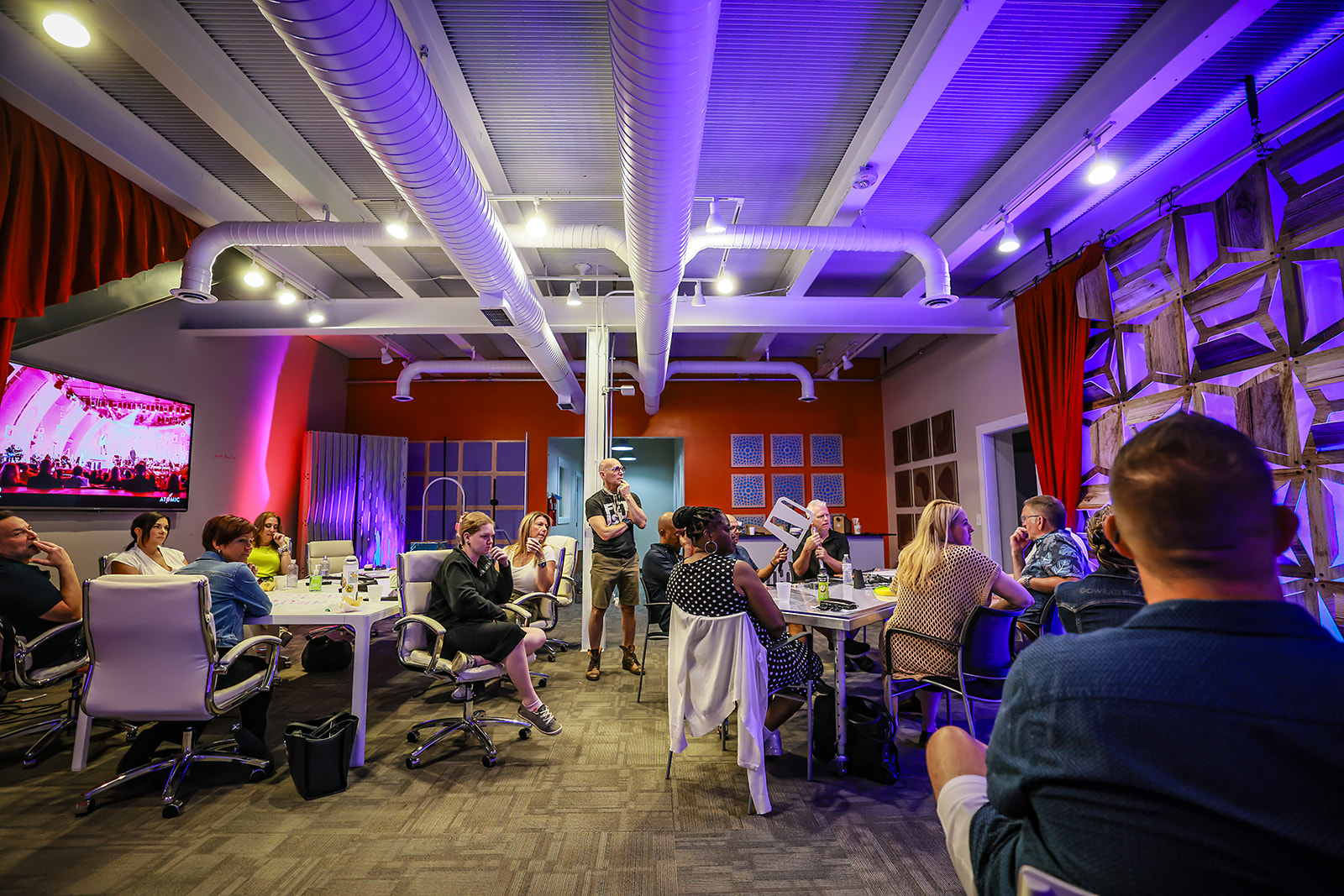
Today’s projects, especially in the live event world, are sprawling, hybrid, messy beasts with lots of bits. They require modular teams. Teams that are both collaborative and nimble across cities, countries, and Zoom links. They call for client teams, in-house teams, vendors, and freelancers to unite.
If you think you can solve all that with an old-school org chart and a few strategic partnerships, you’re in for a rude awakening.
Modularity isn’t a design principle anymore. It’s a survival strategy.
What Does Winning Look Like
It looks like smart breakdowns. Like teams that can slice a monster project into tiny digestible chunks, then assign, ship, and execute each one with confidence and clarity.
It looks like hiring a lighting designer from LA, a tech director from Toronto, and a scenic team from Lititz, and watching them click together like they’ve been working in the same sandbox for years.
That’s modular thinking in action.
It means asking:
- What’s the essential job of this element
- Who’s the best player to deliver it
- Can we test, iterate, and swap if needed
It means moving from monoliths to ecosystems.
It means treating your business like a band of modular units, each with a groove, a role, a rhythm.
And yes, it means letting go of the idea that you have to own everything to deliver something amazing.
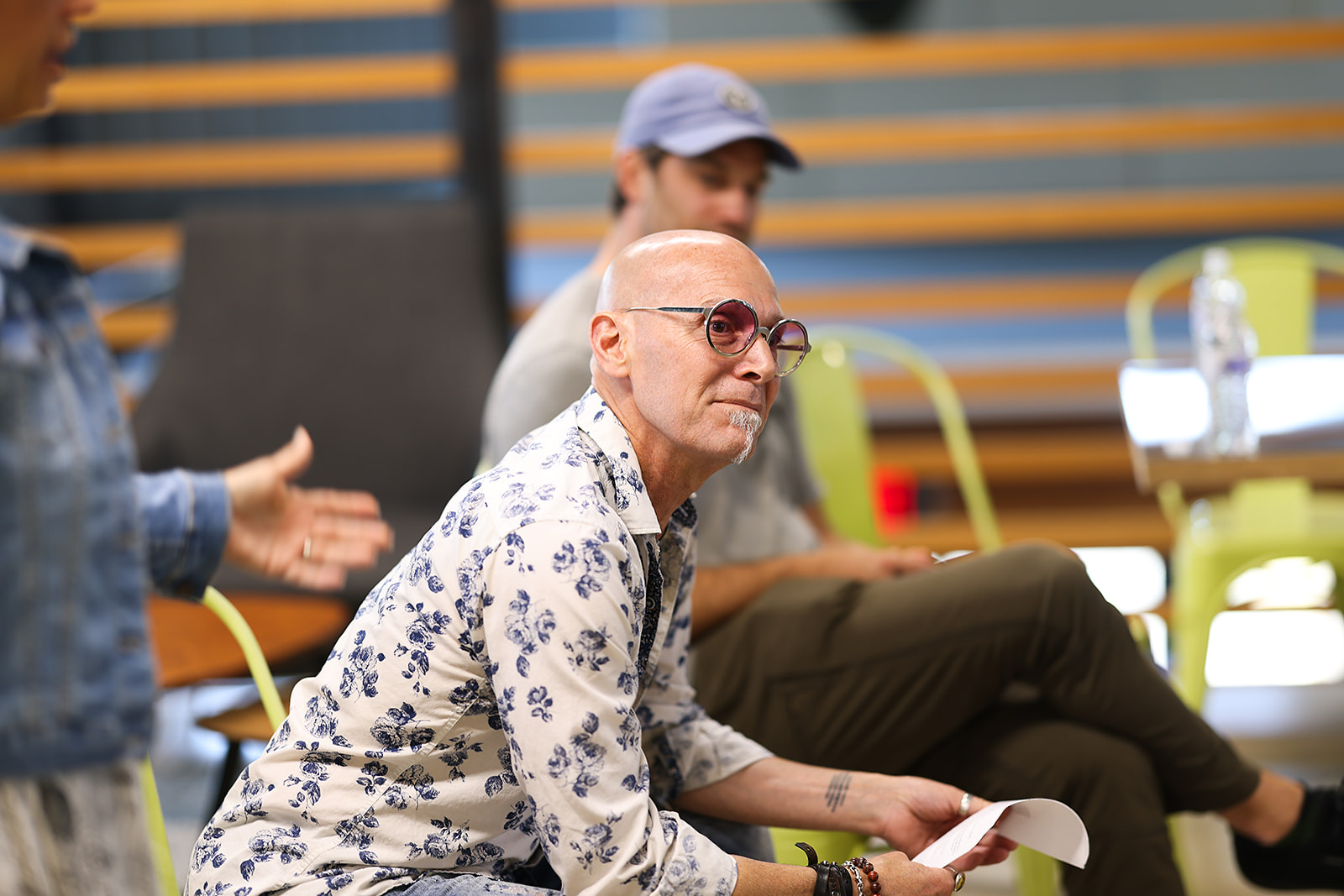
The Modular Midlife Manifesto
These days, I see modularity everywhere.
It’s in the multi-use furniture I still tinker with in my garage.
It’s in the ATOMIC scenic walls that fly off the shelf to stages around the globe.
It’s in the cross-functional teams we build for every project.
And more than anything, it’s in how we think.
Modular thinking doesn’t just make us nimble.
It makes us brave. It gives us the freedom to experiment, to evolve, to remix what works without burning it all down.
In a world that’s changing faster than a festival load-in, modularity is my North Star.
It’s not a buzzword. It’s not a design trend. It’s a belief system.
Ready to Think Modular?
If this story resonated with you, you’re probably already halfway there.
Modular isn’t just a method.
It’s a movement.
And it’s one we’ve been building block by block, show by show, and idea by idea.
Want to see modularity in action?
Explore ATOMIC’s Modular Systems and discover how smarter scenic can unlock your next big idea.
Rob Barber is ATOMIC’s Chief Creative Officer and a driving force in Modular Systems and product development. Since 2010 he has led teams to launch 100+ products, including patented lines SuperLever, FASTwall, and SuperZipper. He is a frequent international speaker on leadership and creativity and serves on the Parnelli Awards Advisory Board. Recent recognitions include the Special Events Gala Lifetime Achievement Award and the Medal of Honor from Pennsylvania College of Art & Design.
Latest Blog Posts
-

Inside ATOMIC Modular Systems
The Inside ATOMIC Modular Systems sessions have launched, and there’s no turning back! ATOMIC’s expedition into Modular Systems is a go! Inside ATOMIC Modular Systems (IAMS) is a series of
-
Get Your Events Into Shape
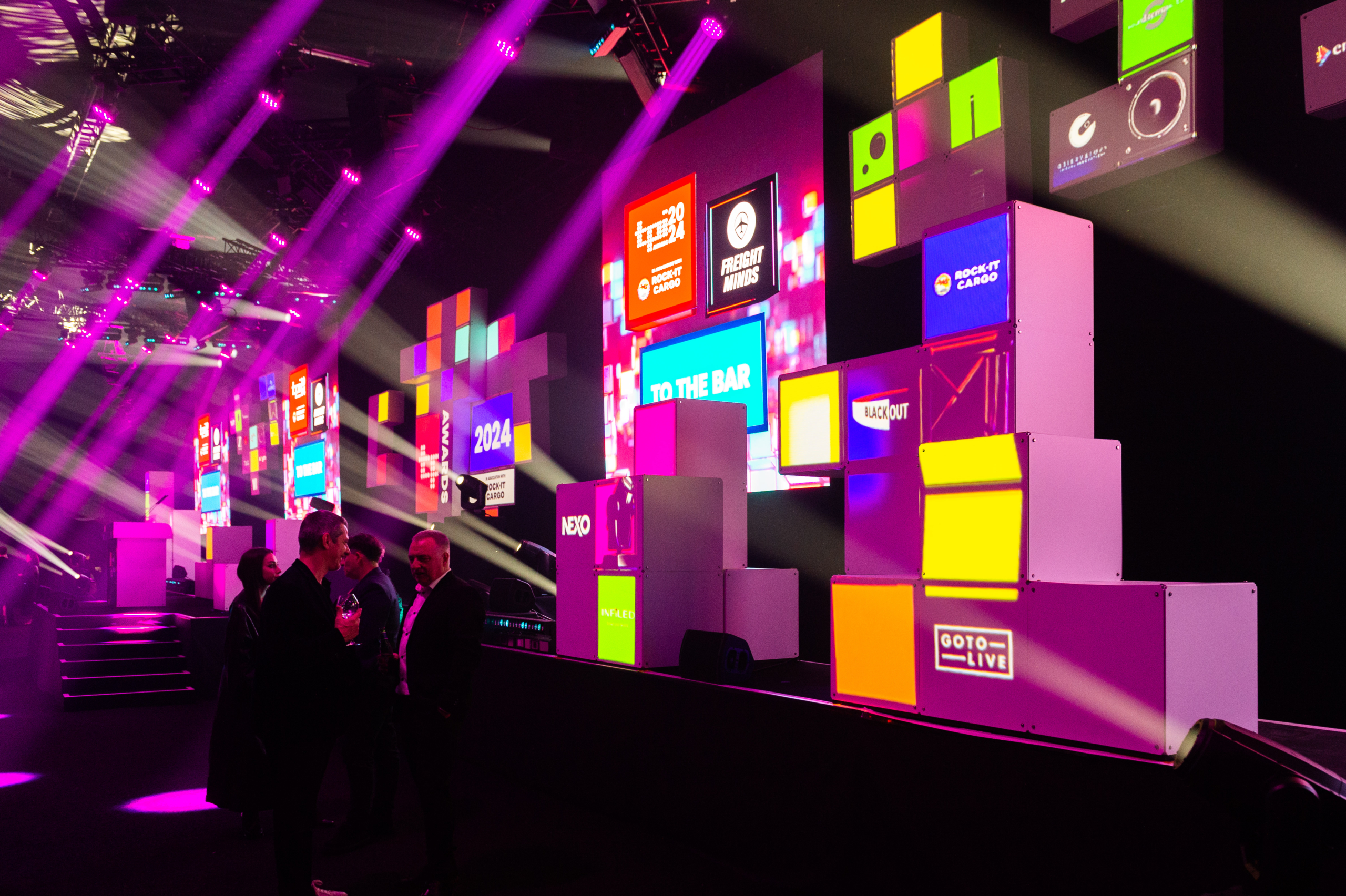
In the fast-paced world of event design, staying on-trend is a must, and shapes and funky configurations are totally stealing the spotlight! YOU, our clients, are getting seriously creative, using
-
ATOMIC’s Take on TSE
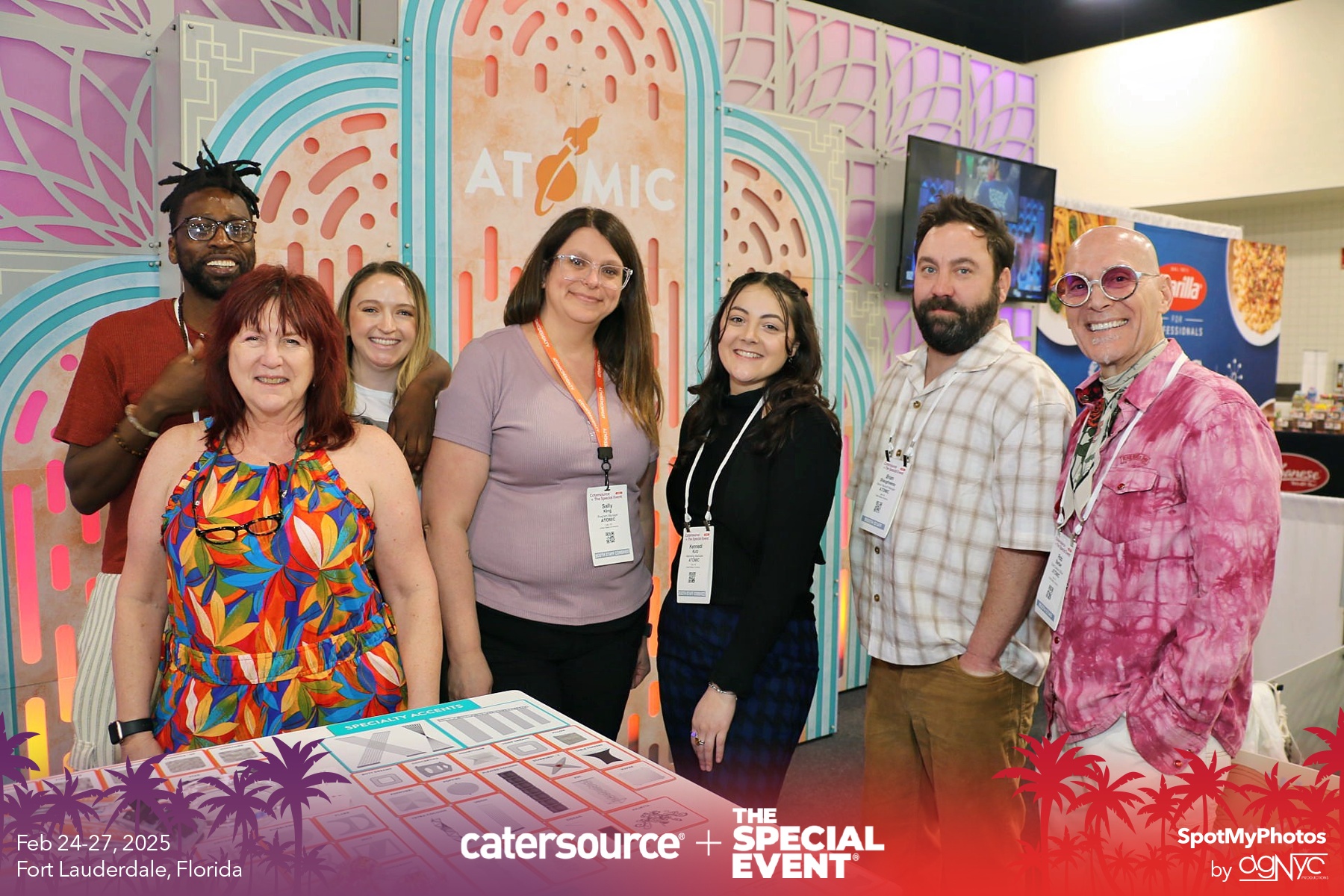
ATOMIC is no stranger to special events, especially when it’s THE Special Event of the year. Catersource + The Special Event 2025 Trade Show was held from February 24-27 in